
Area Codes Serving Garner
Garner is served by the 919/984 overlay. The primary and historically familiar code is 919, the Triangle code most residents associate with Garner, Raleigh, Cary, Apex, Chapel Hill, Durham, and nearby Wake County communities. The overlay code is 984. It covers the same numbering-plan geography as 919, so a new Garner office, household, mobile line, VoIP account, school number, or regional service number can be assigned either code.
The practical coverage rule is that both serving codes apply across Garner. The area-code number alone does not prove whether a caller is inside town limits, on the Raleigh edge, near the Johnston County side, or using a ported mobile number from somewhere else. Garner callers should dial the full 10-digit number for local calls in the overlay region.
| Area Code | Coverage | Year Assigned | Overlay Status |
|---|---|---|---|
| 919 | Historic Triangle code serving Garner, Raleigh, Cary, Apex, Chapel Hill, Durham, Wake County communities, parts of Johnston County, and nearby central North Carolina exchanges. | 1947 | Original regional code, now overlaid by 984. |
| 984 | All-services overlay with the same geographic footprint as 919; new Garner numbers may be issued in either code. | 2012 | Overlay on 919 since the 2011-2012 transition. |
Garner Area Code Coverage by Neighborhood
Garner does not divide neatly into one code on one side of town and another code on the other. Because 984 is an overlay, the town core, northern edge, southern neighborhoods, commercial corridors, and regional service offices share the same 919 and 984 numbering geography. A phone number from a Garner address can carry either code, and a 919 or 984 caller ID may belong to a Raleigh office, a Wake County agency, a school, a hospital, a utility, or a resident who kept the number after moving.
- Garner town core and ZIP 27529 - 919 and 984 can serve landline, mobile, VoIP, business, and government numbers.
- North Garner and the Raleigh edge - the same overlay applies; municipal and postal boundaries do not assign separate codes.
- South Garner and Cleveland Road side - 919 and 984 remain the relevant Triangle codes, with exact rate-center details requiring number-level lookup.
- Aversboro and Timber Drive area - both codes are local to the overlay region.
- Wake County offices serving Garner - many county and regional numbers use 919 or 984, while statewide or toll-free numbers may also appear.
Overlay vs Split in Garner
The 984 change was an overlay, not a geographic split. In a split, one area keeps the old code while another area is carved out and moved to a new code. That would make the area code a stronger geographic clue. In Garner, the overlay model preserved existing 919 numbers and added 984 to the same territory for new assignments. The tradeoff is dialing: local callers include the area code because the same seven-digit number pattern can exist in more than one NPA.
- NPA
- Numbering Plan Area, the formal term for a three-digit area code such as 919 or 984.
- NXX
- The three-digit exchange or central-office prefix after the area code, as in 919-772-XXXX.
- Overlay
- A second area code added to the same geography. Existing numbers keep their code, and new numbers can use either code.
- Split
- A boundary change where part of the old area-code territory moves into a new code.
- Permissive dialing
- A transition period when both old and new dialing patterns connect before mandatory dialing begins.
Dialing Rule for Garner
Garner uses 10-digit local dialing because 984 overlays 919. The research baseline is mandatory 10-digit dialing since 2012-03 in the 919/984 overlay region. For local calls, dial the area code plus the seven-digit number. Some carriers may require 1 plus the 10-digit number for toll or long-distance calls, while mobile phones commonly accept stored contacts in the +1 NPA-NXX-XXXX format.
Important: Garner local calls should include all 10 digits; seven-digit local dialing ended with the 919/984 overlay transition.
The broader Garner phone codes reference covers N11 service codes, star codes, toll-free prefixes, country code +1, and international dialing patterns.
History of Garner Area Codes
Garner's area-code history follows the Triangle's larger numbering history. The 919 code was assigned in the original North American Numbering Plan era and once covered much more of North Carolina than it does today. Later splits reduced the territory, first moving western North Carolina into 704 and later moving northeastern and coastal areas into 252. That left 919 more closely tied to the Triangle and nearby central North Carolina communities. The 984 overlay arrived when the 919 numbering supply needed relief.
| Year | Event |
|---|---|
| 1947 | 919 assigned as one of North Carolina's original NANP area codes. |
| 1954 | 704 split from 919 for western North Carolina, narrowing 919's original footprint. |
| 1998 | 252 split from 919 for northeastern and coastal North Carolina. |
| 2011-2012 | Permissive and then mandatory 10-digit local dialing introduced for the 984 overlay. |
| 2012 | 984 added as an all-services overlay, allowing Garner numbers in either 919 or 984. |
Regional telephone service also reflects North Carolina's Bell System history. Southern Bell served the broader region before later BellSouth and AT&T lineage, but no verified famous Garner exchange-name prefix or historic central-office building was identified in the research. The verified local story is the 919 identity, the later 984 overlay, and the move to 10-digit dialing.
Local Exchange Prefixes in Garner
The prefix after the area code is the NXX, or central-office code. In 919-772-0000, 919 is the NPA and 772 is the NXX. Garner research identified local or regional public-number prefixes including 919-772, 919-773, 919-661, 919-662, 919-779, and 919-329, plus newer 984 prefixes as they are assigned. These prefixes can help identify original assignment context, but they do not prove who uses the number now.
Number portability is the main caution. A number that began as a Garner landline prefix can later move to wireless or VoIP service. A scam caller can also spoof a familiar 919 or 984 caller ID. For a stronger check, combine NPA-NXX context with an official directory match, carrier or line-type lookup, and caller-ID authentication clues.
Future Area Codes Planned for Garner
No separate Garner-specific relief code was located in the research. Area-code relief is planned at the numbering-plan area level, so future changes would be announced for the 919/984 NPA rather than for Garner alone. NANPA relief planning should be checked before publication updates because overlay timing is forecast-driven and can change as numbering demand changes.
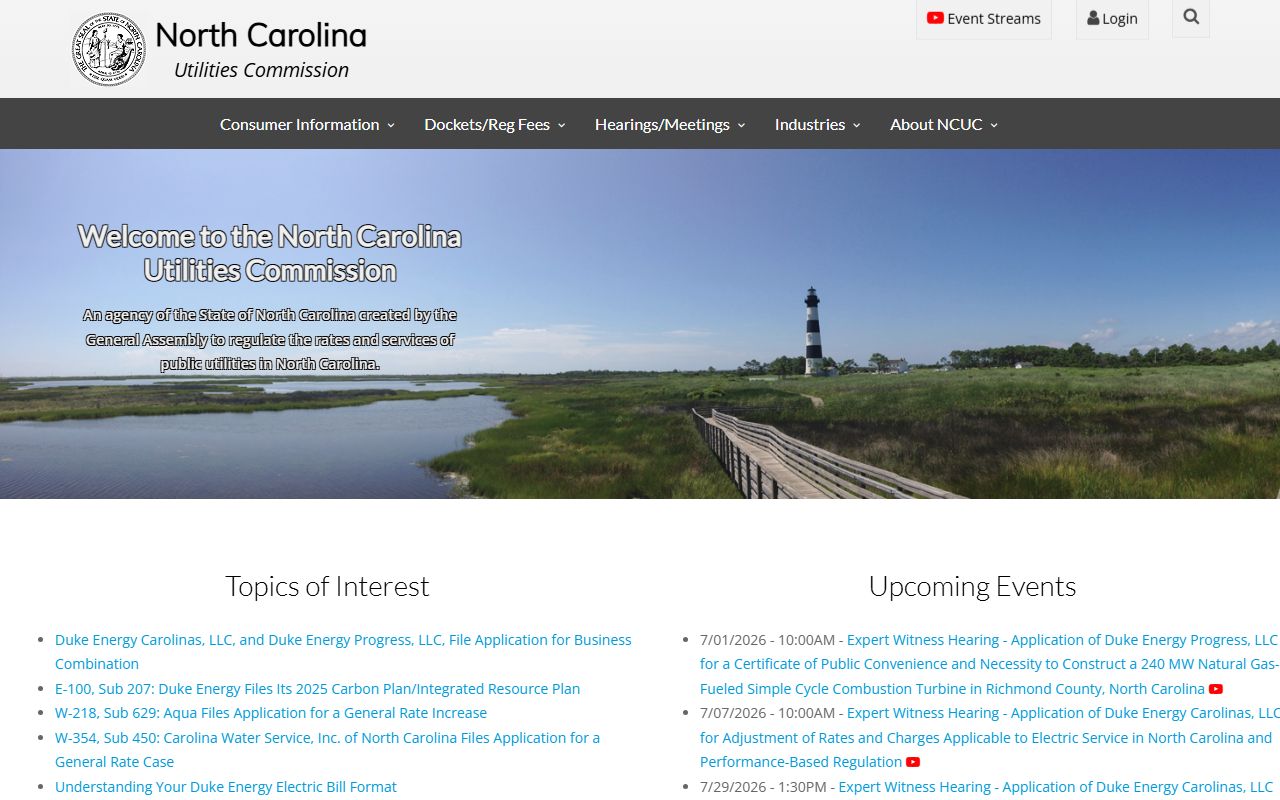
The North Carolina Utilities Commission is the state-level regulatory source for utility and numbering-related consumer context, while NANPA manages numbering-plan administration and maps. The NCUC home page screenshot below is the manifest-approved state regulatory image for this Garner area-code page.
For Garner residents, a future overlay would usually mean new numbers may receive a new area code, while existing assigned numbers keep their current code. The resident action is normally dialing-pattern awareness, not changing a current phone number.
Verifying a Garner Area Code
Use official numbering sources when a Garner area code matters for publication, compliance, or caller verification. The NANPA North Carolina area-code map is the best source for NPA geography, and the FCC area-code reference explains area codes nationally. The area code can confirm that 919 and 984 are valid Triangle-area NPAs, but it cannot prove identity, current address, carrier, or whether a call is spoofed.
For Garner phone-number checks, the area code should be paired with the NXX prefix, the claimed agency name, and an official directory match. A Wake County library, WCPSS school, state agency, hospital, utility, or Town of Garner office may all use a 919 or 984 number, so the same code can appear across several service layers. If the caller claims to be from a public office, use the official site and call the published number rather than trusting the displayed caller ID.